
Key takeaways
- Peru's pota export value collapsed 59.7% in 2024 to $346 million from a record $859 million in 2023, an El Nino-driven swing that shows supply continuity, not headline volume, is the buyer's real exposure.
- Roughly 87% of pota export value in Q1 2025 originated from the Piura region around Paita, so the supply base is geographically concentrated but split across many processing plants of uneven standard.
- Destination demand keeps shifting: South Korea jumped to a 32% share in early 2025 while Spain has historically taken about a third of frozen pota, meaning a supplier's market mix shapes the grades and formats it actually runs.
Big numbers hide a supply base that swings year to year
Peru is a giant in giant squid. In 2023 the country shipped a record USD 859 million of pota and ranks second in the world for the species, supplying roughly 14% of global exports. On a sourcing slide that looks like deep, safe, redundant supply. The lived reality for buyers is different.
In 2024 that same trade fell 59.7% to USD 346 million as El Nino conditions and heavy foreign fishing pressure pushed landings down. Reported catch dropped to about 188,300 tons, described by the sector as one of its worst years, before a sharp 2025 rebound toward a projected 650,000 tons. A buyer who locked supply on a strong year and assumed it would repeat learned the hard way that pota volume is not a flat line.
Underneath the swing sits a fragmented processing base. Frozen product is roughly 99% of export volume, but it is run across many plants of very different temperature discipline, yield, and grading consistency. When the resource is scarce, the weaker plants are exactly the ones that cut corners on quality to keep volume flowing.
Peru pota export value swings hard: a 2023 record, a 2024 collapse, a 2025 rebound
2024 fell 59.7% vs 2023 as El Nino cut landings
Q1 2025 export value rebounded +43.6% YoY
Source: Peru Sourcing Partners analysis
Why Peru still belongs on the shortlist, if you pick the right plant
Despite the volatility, Peru remains structurally one of the best origins for pota. The fishery is large, the product range is mature, and the country exports frozen pota to more than 50 markets, mainly as fillets and pre-cooked forms that serve both Asian and European buyers. Few origins can match that combination of scale and format depth.
Supply is also geographically concentrated in a way that helps vetting. Roughly 87% of pota export value in Q1 2025 came from the Piura region around Paita, so the serious processors sit in one cluster rather than scattered across the country. Established names that ship frozen pota at scale from this base include Seafrost, Pesquera Hayduk, Marinasol and Productora Andina de Congelados, alongside members of the local squid-processing guild such as Pacific Freezing Company, Sabanamar Pacifico, Oceano Seafood, Peruvian Sea Food and Transmarina del Peru.
That concentration is a double-edged sword. The same cluster holds top-tier plants with stable cold chains and audited food-safety systems alongside opportunistic operators that appear in strong years and vanish in weak ones. The origin is right. The question is which plant inside it.
Frozen pota leans on a handful of markets, and the lead market just shifted to South Korea
South Korea +209.8% YoY in Q1 2025
Spain historically took ~one-third of frozen pota
Source: Peru Sourcing Partners analysis
Pick the supplier, not the country
For pota, the decision that protects a buyer is supplier selection, not country selection. The same Peru that posted a record in 2023 contracted by nearly 60% the next year, and the plants that held quality and honored commitments through that swing are a minority of the names you will be offered. Filtering them out before you commit volume is the whole game.
Vetting here means verifying export track record across both the strong and weak years, confirming processing scale and the specific frozen formats a plant actually runs, checking its destination mix against your market's grade and labeling needs, and confirming food-safety certification rather than taking it on a website's word. A plant tuned for South Korea will not necessarily deliver the cuts a Spanish or Italian program expects.
Rather than email a list of plants and hope, the faster path is a vetted shortlist built against your spec: format, volume, destination, and continuity through a down year. Request a vetted shortlist of pota suppliers and start with introductions to plants that have already been checked on the ground.
Supply is concentrated in Piura, so vetting the right Paita plant decides everything
Piura was USD 117.4M of Q1 2025 pota export value
Paita was about 73% of 2024 pota export shipments by port
Source: Peru Sourcing Partners analysis
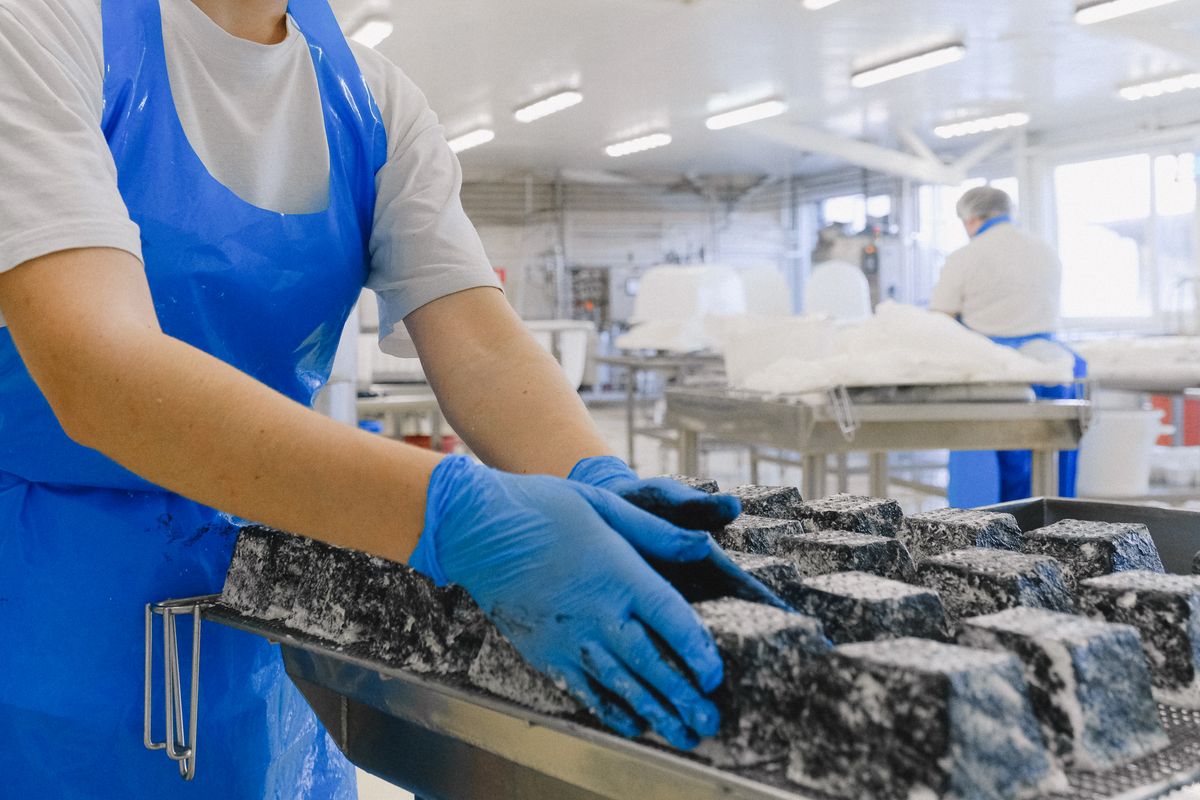
Get a vetted shortlist of Peru pota suppliers built around your spec
Tell us your format, volume and destination market, and we will introduce you to giant squid processors in the Paita cluster that have been checked on the ground for export track record, processing scale and food-safety certification. You start with suppliers already vetted for the swing years, not a directory dump.
Request an introductionCommon questions
Is Peru a reliable origin for giant squid (pota)?
Peru is the world's second-largest pota exporter and supplies roughly 14% of global volume, so the origin is deep and well established. The catch, though, swings with ocean conditions: export value hit a record USD 859 million in 2023, then fell about 60% in 2024 before rebounding in 2025. Reliability comes from picking a plant that held quality and honored commitments through the down year, not from the country average.
Which markets buy Peruvian pota, and why does that matter for me?
Frozen pota reaches more than 50 markets. South Korea led with about 32% of value in early 2025, while Spain has historically taken roughly a third, with Italy, Japan, China and Thailand also significant. A plant's market mix shapes the cuts, grades and labeling it runs day to day, so matching a supplier's destination experience to your program matters as much as price.
What should I check before committing volume to a pota supplier?
Verify export track record across both strong and weak years, confirm processing scale and the specific frozen formats the plant actually runs, check its destination mix against your market's grade requirements, and confirm food-safety certification on the ground rather than from a website. A vetted shortlist built against your spec removes the operators that appear in good years and vanish in bad ones.
About the data: Figures compiled from Peru public trade reporting and sector press for 2022 to 2025; export values FOB, volumes in metric tons, supply-side only. Figures reflect Peru export data curated and classified by Peru Sourcing Partners.
Seafood sourcing intelligence from Peru, straight to your inbox
a short brief on Peru sourcing, sent occasionally.


